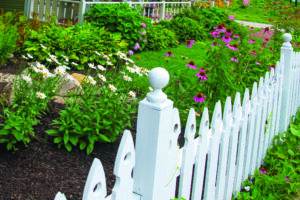
Success is in the details for a garden. Elements such as soil type, sunlight and even fencing can have great results.
April is here and spring has finally arrived!
After a long cold, wet and messy winter, I am sure everyone is glad that we are finally in the spring season.
April is when the gardening season really gets going.
Each year I am asked many questions about plant selection for the garden and I would like to discuss this topic because picking the right plant, for the right location is the foundation for success.
Just about all nursery plants include a label or stake that usually shows a picture of the plant at maturity or while in bloom, the plant’s common name and Latin name, which gives a description about the plant’s habit.
Other items found on plant tags are the bloom time of the plant, the height and width it will grow, fertilizer, light and water requirements, and the plant hardiness zone, and sometimes even the minimum temperature the plant can endure.
The USDA developed the Plant Hardiness zone Map in 1990, and it has been updated several times to reflect climate change.
This map is based on the average lowest temperatures for each area, not just the lowest temperature ever.
On Maryland’s middle Eastern Shore we are in plant zone 8a based on the revised USDA map in 2023. This means our average low temperature can be between 10 and 15 degrees.
But remember the end of January this year, when we experienced temperatures in the single digits and wind chills of near 0? Having said this, I would select plants a zone or two colder then recommended, so look for plants that work well in zone 6 or 7. This will help in winter plant survival and provide for long-term enjoyment.
In addition to being mindful of the USDA plant zones, remember that every garden is home to its own microclimate.
This means there are locations in the garden that may have spots that are warmer or cooler than the prevailing temperatures.
A south-facing wall can warm a corner, whereas shade will cool it.
White and other reflective surfaces can increase light and heat. A windbreak, a vine-covered pergola, a large tree, or a high hedge moderates summer heat and winter chill.
Remember, colder air sinks, so low spots are cooler than higher ground.
Slopes facing north are cooler and have more drying winds, than those that are south facing.
In town, temperatures are usually 5 to 10 degrees warmer than the country.
Finally bodies of water can modify temperatures in both the summer (cooler) and winter (warmer).
Just a few miles away from the coastal areas and the more inland, temperatures will be warmer in the summer and cooler in the winter.
So in these “protected areas” you can take advantage of the microclimate you have to try a few new plants that, by the book, are not right for your climate, such as hardy gardenia or Indian hawthorn.
However, when it comes to flowering trees, and big shrubs, stick to the recommended selections for your zone. This is important as late frosts can devastate the flower buds of some plants and even fruit trees.
Even though the plant will survive, you may not get all the horticultural benefits of the plant. A good example are apricot trees, as they are one of the first fruiting trees to flower in the spring.
I had one planted in my yard and almost always we would get a late frost, which would kill the flowers and we would get no fruit.
This can be true for certain early fruiting peach varieties as well, and even spring blooming camellia, magnolia and other varieties of early spring flowering plants, where the plant will set flower buds, but a frost can ruin the flower show.
Remember these few plant selecting tips, and also remember when planting, that the ideal garden has good drainage, lots of water-holding humus (compost), correct pH, a good organic fertilizer for season long feeding and replenish the mulch cover to protect to roots and hold in place any of the additives you have provided and to conserve moisture.
The best garden is one you can maintain without more effort than you have time to give.
Following these suggestions for selecting plants for the right location and proper soil preparation will result in almost certain success. Happy Gardening!
(Editor’s note: Ken Morgan is the owner of Robin’s Nest Floral and Garden Center in Easton, Md.)